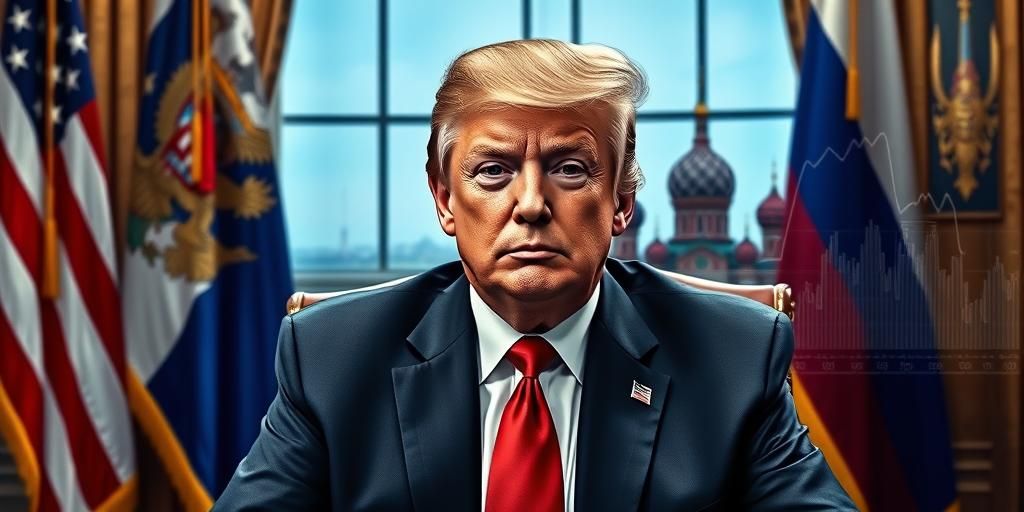
In a surprising turn of events, the Russian stock market responded positively to President Donald Trump’s recent threat of new US tariffs aimed at pressuring Moscow over the ongoing conflict in Ukraine. Despite the administration’s tough stance—including promises of increased arms shipments to Ukraine funded by European allies—the Moscow Exchange climbed by 2.7% on the announcement.
This market resilience reflects a mixture of anticipation and calculated patience within Russia. While the White House outlined plans to impose secondary tariffs on Russia’s trading partners if no progress toward a peace deal is made within 50 days, this delay offers Moscow critical time to strategize and potentially negotiate terms to stave off immediate economic blows.
Escalating Tensions and Diplomatic Stalemates
President Trump, who has called for an end to Russia’s war in Ukraine as a top foreign policy goal since reentering office in January, expressed clear frustration with Moscow’s reluctance to finalize a peace agreement. The US president announced new weapons supplies to Ukraine, emphasizing continued Western military support—contradicting Moscow’s insistence that all such aid cease before any ceasefire can be achieved.
Moscow’s stance remains consistent: it nominally desires peace yet demands that “root causes” of the conflict be addressed. From the Kremlin’s perspective, these causes revolve around perceived threats from Kyiv, NATO, and the broader Western alliance—a justification used to frame Russia’s full-scale invasion of Ukraine in February 2022, the largest land conflict in Europe since World War II.
For months, Moscow maintained a cautious “yes, but…” position, appearing willing to entertain ceasefire proposals while setting tough preconditions such as halting Western arms deliveries and Ukrainian military mobilization. This prolonged diplomatic ambiguity allowed Russia to avoid harsher sanctions while continuing operations on multiple fronts within Ukraine.
US policy under the Trump administration initially favored incentives over punishment in hopes of brokering negotiations with Kremlin officials. However, the persistent lack of substantive progress and ongoing conflict has shifted US strategy toward stricter measures, including the threatened tariffs.
Russian sentiment toward President Trump also seems to be cooling. Criticism in Moscow’s media labels the US president as overambitious yet ineffective, reflecting the mutual disillusionment between Washington and Moscow amid an increasingly entrenched geopolitical crisis.
With the US bolstering Ukraine’s military capabilities and maintaining pressure on Moscow through diplomatic and economic channels, the standoff shows little sign of abating soon. The next weeks will be crucial in determining whether sanctions escalate and if dialogue can overcome the entrenched positions held by both sides.
What lies ahead for global stability as these superpowers navigate this complex conflict remains a question many are watching closely.
Leave a Reply