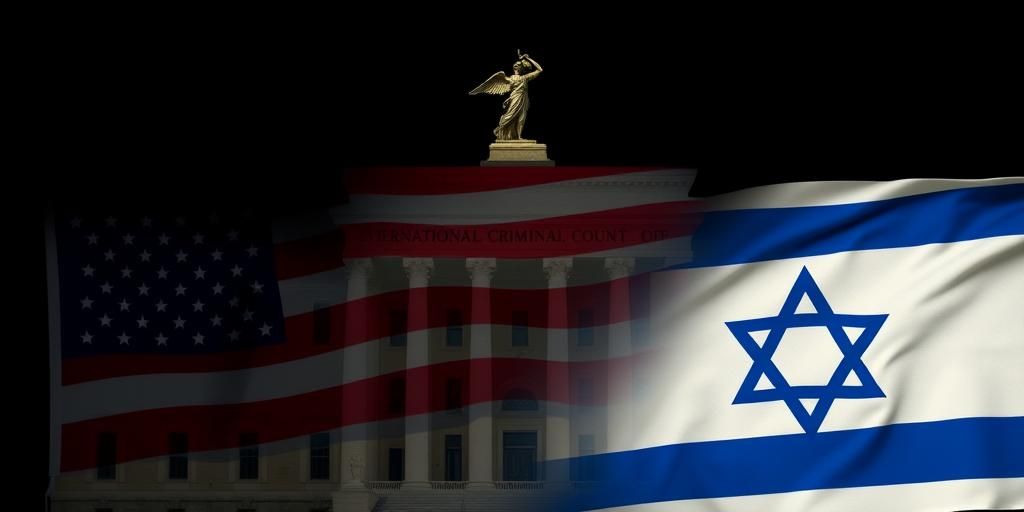
The United States has recently announced sanctions targeting judges and officials of the International Criminal Court (ICC) involved in investigations concerning Israeli Prime Minister Benjamin Netanyahu and alleged war crimes in Afghanistan. This move deepens the ongoing tensions between Washington and the ICC, highlighting the complex intersection of international justice and geopolitical interests.
Specifically, the US Treasury Department imposed financial restrictions on ICC Prosecutor Karim Khan and three judges, accusing them of undermining American sovereignty. These sanctions block any US-based assets and prohibit Americans from engaging in transactions with the designated individuals.
Background: ICC Probes and US-OIC Relations
The ICC has been investigating alleged war crimes committed in the Palestinian territories, including actions linked to Israeli officials such as Netanyahu. Meanwhile, another inquiry focuses on abuses during the US-led war in Afghanistan. The US government, which is not a party to the ICC, has repeatedly voiced strong opposition to these probes, labeling them as politically motivated.
Washington’s stance stems partly from concerns that ICC investigations could target US military personnel or allies without proper oversight from national courts. Historically, the US has employed various means to shield its citizens from ICC jurisdiction, including legislation like the American Service-Members’ Protection Act.
The sanction announcement follows previous US actions that sought to limit ICC operations by withholding funding and pressuring other countries to reject the court’s authority.
Karim Khan, the ICC Prosecutor, has emphasized the court’s independence and the importance of holding all parties accountable for violations of international humanitarian law, regardless of political pressures.
While the sanctions may complicate the ICC’s work, they also underline the ongoing friction between mechanisms of global justice and the world’s major powers. As the ICC continues its investigations, the international community watches closely how these legal and political dynamics will evolve.
What consequences these measures could have for international accountability remains an open question.
Leave a Reply