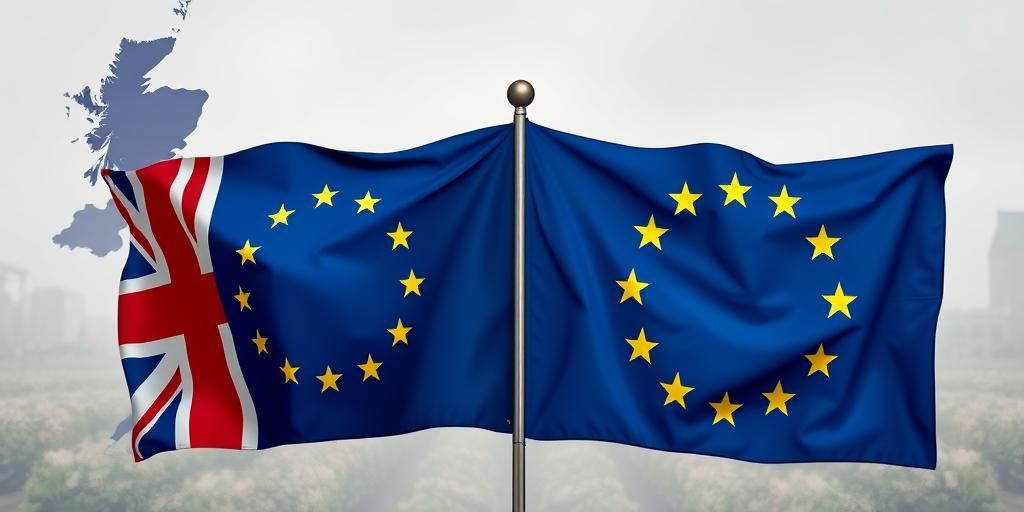
In a significant shift towards re-engaging with the European Union, the Labour Party’s lead negotiator on European affairs, Nick Thomas-Symonds, has expressed strong enthusiasm for a potential EU youth mobility scheme. This public endorsement signals a broader government intention to cultivate closer ties with the bloc, moving beyond the cautious approach of recent years.
Mr. Thomas-Symonds, who serves as the Cabinet Office minister overseeing UK-EU relations, articulated his eagerness for a deal that would facilitate easier travel and work opportunities for young Britons across Europe. This marks a notable change in rhetoric, as just a few months prior, the government remained hesitant to even consider negotiations on such a scheme, often out of concern for re-igniting debates surrounding free movement post-Brexit.
Forging Dual Paths: Youth Mobility and Agricultural Trade
Beyond youth mobility, Mr. Thomas-Symonds also committed to securing a new agricultural export agreement with the EU by early 2027. This ambitious timeline allows the government approximately 18 months for negotiations. During these talks, British officials are expected to advocate for specific exemptions from EU regulations, such as those pertaining to genetically modified crops. Conversely, European nations, particularly France, may push for the UK to reconsider its pre-election commitment to ban foie gras imports.
A key aspect of the UK’s proposed approach involves “dynamic alignment” with EU regulations. Mr. Thomas-Symonds explained that this principle means British rules would evolve in tandem with European standards. Historically, “dynamic alignment” was a contentious point for many Brexit supporters, who viewed it as surrendering regulatory autonomy to Brussels. However, Mr. Thomas-Symonds framed this alignment as a strategic choice, emphasizing its benefits for national economic interests and business efficiency across the country by adhering to common high standards.
This evolving stance reflects a growing confidence within Labour circles regarding their ability to navigate and win public support for a more engaged European relationship. This comes even as they grapple with how to counter figures like Nigel Farage, whose strong anti-immigration messages continue to resonate with a segment of the electorate. Mr. Thomas-Symonds directly criticized Mr. Farage for his perceived unwillingness to foster any relationship with the EU, suggesting it stems from a desire for Britain’s failure. However, when pressed on Mr. Farage’s controversial language regarding asylum seekers, the minister distanced himself, stating, “We all use our own language. I wouldn’t use Nigel Farage’s language.”
The renewed impetus behind these negotiations underscores a pragmatic shift in the UK’s post-Brexit foreign policy, prioritizing economic and social benefits through closer European cooperation. What these evolving relationships mean for the future of UK-EU integration remains a critical question.
Leave a Reply