Category: Global Affairs

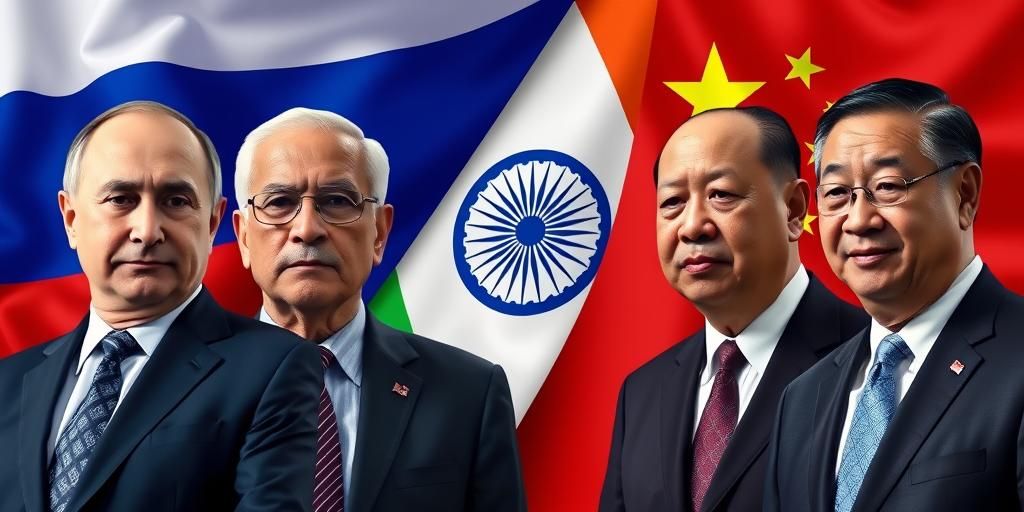
  • Russia, India, China Trilateral Talks: Revival Remains Uncertain

    Auto-uploaded image

    Discussions about reviving the trilateral partnership between Russia, India, and China (RIC) have gained attention recently, but sources reveal that no official meeting has yet been scheduled or agreed upon. The RIC format, envisioned as a platform for Eurasian powers to collaborate on regional and global matters, has historically served as a counterbalance to Western dominance in international affairs.

    India’s Ministry of External Affairs (MEA) has maintained a cautious stance regarding the RIC revival. During the latest weekly briefing, spokesperson Randhir Jaiswal emphasized that while the mechanism is designed for dialogue among the three nations on key geopolitical issues, no date for a new meeting has been finalized. “When this meeting happens, we will work out a mutually convenient date and let you know,” he stated, underscoring India’s current non-committal position.

    Russia and China Push for RIC’s Return

    The renewed interest in RIC comes in the wake of recent statements from Russian officials. Foreign Minister Sergey Lavrov expressed a strong desire to resume the trilateral talks, citing the initiative’s origins with former Russian Prime Minister Yevgeny Primakov and its track record of over 20 ministerial-level gatherings. Lavrov highlighted that the cooperation extends beyond foreign policy to economic, trade, and financial discussions between the three countries.

    China has voiced support for Russia’s initiative as well, framing the RIC partnership as vital not only to the three countries’ interests but also to regional and global security. This trilateral cooperation is seen as complementary to existing multilateral forums, aiming to foster stability in a period marked by shifting alliances and geopolitical tensions.

    Russian Deputy Foreign Minister Andrei Rudenko recently told the Russian news agency Izvestia that Moscow is actively negotiating with both Beijing and New Delhi to bring RIC back to life. He emphasized the importance of this format, not only because the three countries are significant partners but also as founders of BRICS, an influential economic bloc. “The absence of this format appears inappropriate,” Rudenko noted, while acknowledging that resumption depends on improving bilateral relations, particularly between China and India.

    The RIC mechanism stalled primarily due to disruptions caused by the COVID-19 pandemic and worsened by the 2020 military standoff between Indian and Chinese forces in Eastern Ladakh. These tensions have added complexity to India’s engagement, given its simultaneous membership in the Quad alliance — a strategic partnership with the United States, Japan, and Australia, often viewed by Beijing as a counterweight to China’s rise.

    As Moscow and Beijing seek closer Eurasian cooperation through RIC, New Delhi appears cautious, balancing its competing interests in both Eastern and Western multilateral engagements. The revival of RIC could signal a notable shift in regional diplomacy, yet at present, India’s reservation signals that the trilateral grouping remains in a tentative phase.

    What the future holds for this Eurasian trio remains uncertain, but their interactions will undoubtedly influence broader geopolitical dynamics across Asia and beyond.
  • US and India Close to Trade Deal as August Tariff Deadline Nears

    Auto-uploaded image

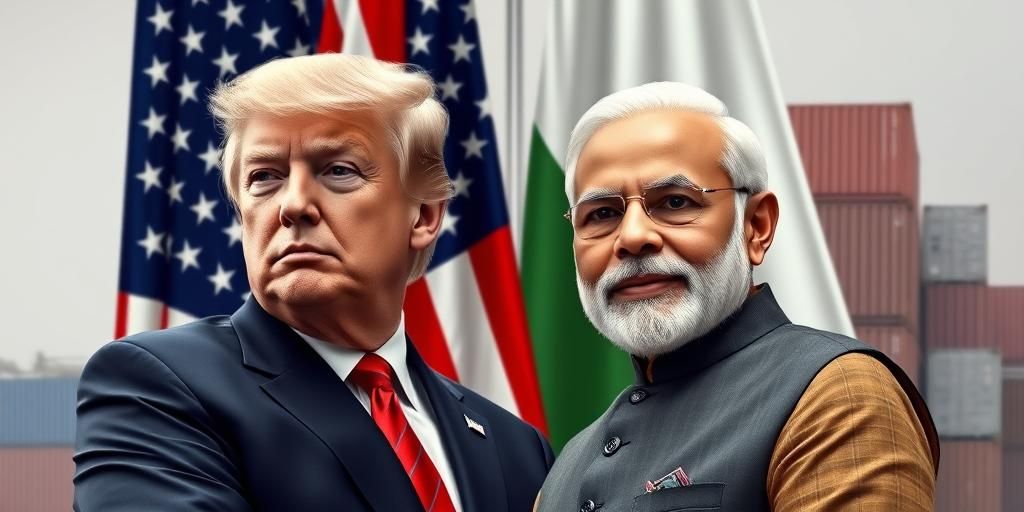
    US President Donald Trump recently indicated that a new trade agreement with India is on the horizon, signaling progress in ongoing negotiations as a crucial tariff deadline approaches. Speaking during a bilateral meeting with Bahrain’s Crown Prince Salman bin Hamad bin Isa Al Khalifa, Trump highlighted August 1 as an important date, when significant tariff revenues are expected to flow into the United States.

    “We’ve already brought in over $100 billion,” Trump noted, emphasizing that many tariffs have yet to fully take effect, except those on automobiles and steel. “August 1st is when a very substantial amount of money will come into our country.” The president mentioned that the US has secured multiple trade deals recently and suggested India could soon be next on the list.

    Trump explained the framework of these agreements, stating, “The best deal we can make is to send out a letter that specifies tariff rates—30%, 35%, 25%, 20%. We are very close to a deal with India where they open up their markets.”

    Trade Talks Gain Momentum in Bilateral Relations

    In recent weeks, the United States has been negotiating a bilateral trade agreement with India aimed at easing market access and reducing trade barriers. Indian government officials confirmed that their negotiation teams are currently in the US conducting the fifth round of talks, in line with directives from Prime Minister Narendra Modi and President Trump. The process remains aligned with previously agreed terms of reference.

    Trump also announced progress on a separate trade deal with Indonesia, noting that the country will see its tariff rate lowered to 19%. These developments highlight Washington’s broader strategy of leveraging tariffs to gain improved market access in key emerging economies.

    For decades, US-India trade has faced challenges, including barriers in market entry, regulatory hurdles, and tariff disputes. The potential agreement reflects ongoing efforts to strengthen economic ties between the two democracies, which have grown significantly in recent years amid closer strategic cooperation.

    While the details of the proposed US-India trade deal remain under wraps, the president’s remarks suggest an emphasis on reciprocal market openness and tariff adjustments. August 1 is viewed as a pivotal moment when current tariff measures could yield substantial revenue, underscoring the high stakes of these negotiations.

    As global trade dynamics continue to evolve amid shifting geopolitical and economic landscapes, the forthcoming US-India agreement may play a key role in shaping bilateral commerce and regional economic partnerships.

    What effect this emerging trade pact will have on the broader global trading system and on India-US relations remains to be seen.

  • How the US-China Microchip War Escalated: Key Developments

    Auto-uploaded image

    Tracing the Rise of the US-China Semiconductor Conflict

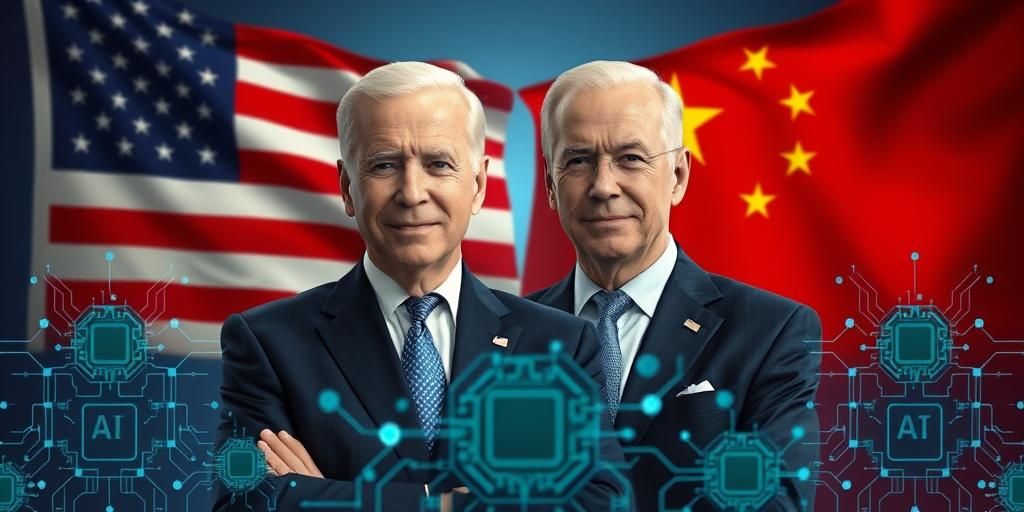
    In recent years, tensions between the United States and China have sharply intensified around the semiconductor industry—a critical technology underpinning modern electronics and artificial intelligence (AI). The US government has taken increasingly stringent steps to restrict China’s access to advanced microchips, citing national security concerns. Here is an overview of the major milestones in the unfolding US-China microchip conflict.

    August 2022: The Chips and Science Act
    President Joe Biden signed the Chips and Science Act, committing approximately $52 billion to boost domestic semiconductor production. This move aimed to secure the US position in the vital chipmaking sector and counter China’s rapid, state-supported investments in the technology. Semiconductors are essential components powering everything from smartphones to defense systems, making this strategic industry a focal point of global competition.

    October 2022: Initial Export Restrictions
    The US imposed export controls limiting sales of high-end microchips to China, targeting chips critical to AI development and potential military use. Controls also tightened on the export of semiconductor manufacturing equipment. The US justified these measures on national security grounds, aiming to curtail Beijing’s access to cutting-edge technology with possible dual-use applications. China condemned the move, accusing the US of unfairly suppressing Chinese businesses.

    December 2022: Blacklisting Chinese Firms
    Washington blacklisted 36 Chinese companies linked to advanced chipmaking and defense projects, including those involved in hypersonic weapon and missile development. The restrictions severely curbed these firms’ access to US chip technologies and design software, deepening the split between the two nations’ tech ecosystems.

    October 2023: Expanded Restrictions Amid AI Surge
    Following the widespread attention garnered by AI breakthroughs like OpenAI’s ChatGPT, the US expanded export curbs to cover a broader range of Nvidia and peer companies’ chips, including less powerful models. The launch of Huawei’s new smartphone featuring indigenous advanced chips heightened US concerns over China’s accelerating capabilities in AI and semiconductor industries.

    December 2024 – January 2025: Further Tightening Before Transition
    In the final weeks before the Biden administration’s end, additional export rules were introduced requiring authorizations for exports, re-exports, and transfers of advanced chips destined for China. The measures aimed to block indirect supply routes through third countries and set overall caps on high-end chip imports. Commerce Secretary Gina Raimondo emphasized the US’s leadership in AI development and chip design, underscoring the strategic importance of maintaining this edge. These new regulations included exceptions for allied nations and allowed a 120-day lead time for implementation.

    January 2025: China’s AI Breakthrough
    In a notable technological milestone, Chinese AI firm DeepSeek launched a chatbot that rapidly climbed Apple’s download charts. Industry experts noted its competitiveness with leading US AI systems, signaling China’s growing prowess in the field despite regulatory hurdles.

    May 2025: Trump Administration Eases Restrictions
    The Trump administration moved to relax several Biden-era export controls, responding to concerns from allied countries that the restrictions impeded their access to essential AI technology. Some US lawmakers argued looser controls would prevent these nations from turning to China for advanced chips, potentially accelerating China’s technological ascent. Meanwhile, US export laws continued to bar the use of Huawei’s most advanced Ascend chips, which Beijing denounced as coercive tactics.

    April 2025: Nvidia’s H20 Chip Restricted
    Nvidia developed the H20, a less powerful AI semiconductor tailored for export to China. However, Washington required licenses for its shipment over fears the chip could still be used in Chinese supercomputers, underscoring ongoing sensitivities around technology transfers.

    July 2025: Resumption of H20 Chip Sales
    Following negotiations, Nvidia received clearance to resume H20 chip sales to China. Nvidia CEO Jensen Huang scheduled his third visit to Beijing in 2025, reflecting ongoing engagement despite geopolitical strains. These developments hint at a complex balance between competition and commercial ties in the semiconductor supply chain.

    The trajectory of US-China semiconductor relations highlights the deep interconnection between technology and geopolitics. Semiconductors have become not only a pivotal economic asset but also a core element of national security strategies. The evolving landscape raises critical questions about the future of global technology cooperation and rivalry.

    How these tensions will influence broader international relations and technological innovation remains to be watched closely.

  • US Tariff Threat Spurs Russian Market Rally Amid Ongoing Ukraine Conflict

    Auto-uploaded image

    In a surprising turn of events, the Russian stock market responded positively to President Donald Trump’s recent threat of new US tariffs aimed at pressuring Moscow over the ongoing conflict in Ukraine. Despite the administration’s tough stance—including promises of increased arms shipments to Ukraine funded by European allies—the Moscow Exchange climbed by 2.7% on the announcement.

    This market resilience reflects a mixture of anticipation and calculated patience within Russia. While the White House outlined plans to impose secondary tariffs on Russia’s trading partners if no progress toward a peace deal is made within 50 days, this delay offers Moscow critical time to strategize and potentially negotiate terms to stave off immediate economic blows.

    Escalating Tensions and Diplomatic Stalemates

    President Trump, who has called for an end to Russia’s war in Ukraine as a top foreign policy goal since reentering office in January, expressed clear frustration with Moscow’s reluctance to finalize a peace agreement. The US president announced new weapons supplies to Ukraine, emphasizing continued Western military support—contradicting Moscow’s insistence that all such aid cease before any ceasefire can be achieved.

    Moscow’s stance remains consistent: it nominally desires peace yet demands that “root causes” of the conflict be addressed. From the Kremlin’s perspective, these causes revolve around perceived threats from Kyiv, NATO, and the broader Western alliance—a justification used to frame Russia’s full-scale invasion of Ukraine in February 2022, the largest land conflict in Europe since World War II.

    For months, Moscow maintained a cautious “yes, but…” position, appearing willing to entertain ceasefire proposals while setting tough preconditions such as halting Western arms deliveries and Ukrainian military mobilization. This prolonged diplomatic ambiguity allowed Russia to avoid harsher sanctions while continuing operations on multiple fronts within Ukraine.

    US policy under the Trump administration initially favored incentives over punishment in hopes of brokering negotiations with Kremlin officials. However, the persistent lack of substantive progress and ongoing conflict has shifted US strategy toward stricter measures, including the threatened tariffs.

    Russian sentiment toward President Trump also seems to be cooling. Criticism in Moscow’s media labels the US president as overambitious yet ineffective, reflecting the mutual disillusionment between Washington and Moscow amid an increasingly entrenched geopolitical crisis.

    With the US bolstering Ukraine’s military capabilities and maintaining pressure on Moscow through diplomatic and economic channels, the standoff shows little sign of abating soon. The next weeks will be crucial in determining whether sanctions escalate and if dialogue can overcome the entrenched positions held by both sides.

    What lies ahead for global stability as these superpowers navigate this complex conflict remains a question many are watching closely.

  • Italy’s PM Meloni Cautions Against Trade War Amid US-EU Tariff Dispute

    Auto-uploaded image

    Italian Prime Minister Giorgia Meloni has issued a firm warning against escalating trade tensions within Western nations, following US President Donald Trump’s recent announcement imposing 30% tariffs on products imported from the European Union and Mexico. The tariffs are set to take effect on August 1, marking a sharp escalation in transatlantic trade disputes.

    Speaking on Sunday, Meloni emphasized the risks of deepening economic divisions between allies. “A trade war within the West would weaken us all in the face of the global challenges we are confronting together,” she stated, underscoring the importance of unity among Western economies. Meloni also expressed confidence in Europe’s capacity to negotiate an equitable and pragmatic trade agreement. “Europe has the economic and financial strength to assert its position and reach a fair and sensible agreement,” she said.

    Seeking Stability Amid Rising Trade Tensions

    Meloni’s comments come as the European Union carefully navigates the implications of the US imposing steep tariffs on key sectors, including steel and aluminum imports, which have sparked concerns of retaliatory measures and a broader trade conflict. While some European officials advocate for a measured response, EU Commission President Ursula von der Leyen has indicated a temporary hold on retaliation in hopes of negotiating a resolution that averts a more comprehensive 30% tariff on all EU exports to the US.

    The tariffs have triggered political fallout within Italy as well. Opposition parties criticized Meloni’s administration, with leaders like Giuseppe Conte of the Five Star Movement accusing the government of yielding too easily to US pressure. The dispute highlights underlying strains not only in US-EU trade relations but also within domestic political circles over how best to protect national and regional economic interests.

    President Trump’s tariff announcement marks a continuation of his administration’s aggressive use of trade policy to leverage better terms for the US, amid ongoing tensions with multiple trading partners including China and Canada. For Europe, the challenge remains to balance firm economic defense with preserving transatlantic cooperation crucial for broader geopolitical stability.

    As Western governments weigh their next moves, the prospect of escalating tariffs threatens to complicate efforts to address shared global issues, from economic recovery to geopolitical security. The coming weeks will be critical in determining whether diplomatic negotiation can prevent a costly trade confrontation between allied nations.

    Will these tariff disputes reshape alliances and strategies within the global trade system? The answers could have lasting implications for the Western bloc’s unity and economic influence worldwide.

  • Trump Threatens 100% Tariffs on Russia Amid Ukraine Conflict

    Auto-uploaded image

    Former US President Donald Trump has issued a stark warning to Russia, demanding an end to the war in Ukraine within 50 days or face crippling tariffs. Speaking at the White House alongside NATO leader Mark Rutte, Trump revealed plans to impose “very severe” tariffs, potentially reaching 100 percent, targeting Russia’s remaining trade partners to further isolate Moscow economically.

    Trump emphasized the gravity of the situation, stating, “We’re very, very unhappy” with Russia’s ongoing invasion. The proposed tariff increase aims to deepen the economic pressure already mounting from Western sanctions, thereby restricting Russia’s ability to sustain its military operations.

    US and NATO to Supply Advanced Weapons to Ukraine

    In a related development, Trump and Rutte announced a significant arms deal under which NATO will purchase billions of dollars worth of military equipment from the United States. This includes Patriot missile defense systems that will be rapidly deployed to Ukraine to support Kyiv’s defense against Russian attacks. Rutte, former Dutch Prime Minister and current NATO Secretary-General, highlighted that Ukraine would receive “massive numbers” of weapons as part of this arrangement.

    This move marks a renewed Western commitment to bolster Ukraine’s air defenses amidst intensified Russian missile and drone strikes, which have recently caused the highest civilian casualties in three years, according to the United Nations. Trump’s decision to send the Patriot systems reverses an earlier US announcement to pause some arms deliveries.

    Trump’s remarks also revealed a nuanced stance toward Russian President Vladimir Putin. While refraining from outright condemnation, he described Putin as a “tough guy,” stopping short of labeling him an assassin. This tempered rhetoric comes after months of mixed signals, including Trump’s initial effort to reset relations with Russia early in his presidency and subsequent growing frustration as the conflict escalated.

    The announcement coincided with the arrival of Trump’s special envoy Keith Kellogg in Kyiv for talks with Ukrainian President Volodymyr Zelensky. Zelensky praised the meeting as “productive,” confirming discussions on enhancing Ukraine’s air defense capabilities, joint weapons production, and cooperation with European partners. The Ukrainian leader also expressed gratitude for Trump’s continued support.

    From the frontlines, Ukrainian soldiers welcomed the prospect of improved air defenses. One soldier identifying himself as “Grizzly” stressed that the Patriot systems would provide essential protection for families back home, calling the aid “better late than never.”

    Meanwhile, Russian forces reported territorial gains in eastern Ukraine, capturing villages in Donetsk and Zaporizhzhia regions. Ukrainian officials also reported civilian casualties amid ongoing hostilities in the Kharkiv and Sumy areas.

    Domestically, Zelensky proposed a key government change by nominating Economy Minister Yulia Svyrydenko as Ukraine’s new prime minister, signaling a strategic shift as the country confronts a “crucial time” in its defense and governance.

    This development exemplifies the increasingly complex geopolitical landscape surrounding the Ukraine conflict, as global powers recalibrate their economic and military strategies in response to Moscow’s protracted aggression.

    How this escalation in economic sanctions and military aid will influence Russia’s war calculus and the broader international balance remains to be seen.

  • Italy’s PM Meloni Warns Against Western Trade War After US Tariffs

    Auto-uploaded image

    Italian Prime Minister Giorgia Meloni has voiced strong concerns over the escalating trade tensions within Western allies following the United States’ recent decision to impose hefty tariffs. In response to President Donald Trump’s announcement of 30% tariffs on imports from the European Union and Mexico, effective August 1, Meloni cautioned that such internal trade conflicts would ultimately weaken the Western bloc amid global economic challenges.

    Trade Tensions Rise Between US and EU

    Speaking shortly after the tariff announcement, Meloni emphasized Europe’s capacity to negotiate fairly and sensibly. “Europe possesses the economic and financial strength to assert its position and reach a fair and sensible agreement,” she stated. The Italian leader reaffirmed Italy’s commitment to play its part in addressing the dispute constructively as the European Union carefully considers its next steps.

    President Trump’s tariff plan targets a wide range of products from the EU and Mexico, marking a significant escalation in already strained transatlantic trade relations. Brussels, led by European Commission President Ursula von der Leyen, has so far refrained from retaliating against existing US tariffs on steel and aluminum, signaling a preference for negotiation over immediate retaliation. This cautious approach aims to avoid broader tariffs—potentially extending a 30% levy to a much wider array of EU exports.

    Within Italy, the announcement has sparked political debate. Opposition parties have criticized Meloni and her right-wing Brothers of Italy party for their handling of the situation. Giuseppe Conte, leader of the opposition Five Star Movement and former Italian Prime Minister, accused Meloni of yielding too readily to Washington’s pressure.

    This latest episode adds to the complex fabric of international trade and diplomacy, highlighting the fragility of cooperation among longstanding allies. With global challenges such as China’s rising economic influence and shifting alliances, the unity of Western economies remains crucial—but currently vulnerable.

    As governments and trade bodies navigate these unsettled waters, all eyes will be on how Europe balances defense of its economic interests with the desire to maintain cohesion within the transatlantic alliance. The coming weeks could set important precedents for global trade dynamics in a rapidly changing geopolitical environment.

    What remains clear is that a trade war between Western powers would carry risks far beyond mere tariffs, potentially undermining collective strength on the world stage and complicating responses to shared challenges.

  • US-Mexico Water Dispute Deepens Amid Severe Drought

    Auto-uploaded image

    As northern Mexico faces a historic drought, tensions over a decades-old water-sharing agreement between the United States and Mexico are intensifying. In San Francisco de Conchos, Chihuahua, local farmers and residents are witnessing the drastic drop in water levels at Lake Toronto—a key reservoir behind the state’s La Boquilla Dam—where water supplies have fallen dramatically after 30 consecutive months without rain.

    Rafael Betance, who has monitored La Boquilla’s water levels for 35 years, reports the reservoir now holds less than 14% of its capacity, with water levels 26.5 meters below the high-water mark. He recalls the last overflow occurred in 2017, with a steady decline each year since. Residents gather on the lake’s dry, rocky bed hoping for rain, but the region’s relentless 42°C (107.6°F) heat continues to worsen the drought.

    Longstanding Water Sharing Treaty Under Strain

    At the heart of this dispute lies the 1944 treaty governing water allocation from the Rio Grande (known as the Río Bravo in Mexico) between the two countries. Mexico is obligated to deliver 430 million cubic meters of water annually to the US, managed through tributary channels and shared reservoirs under the International Boundary and Water Commission (IBWC). In exchange, the US supplies nearly 1.85 billion cubic meters of Colorado River water to Mexican border cities like Tijuana and Mexicali.

    However, Mexico has frequently fallen behind on its water deliveries during the 21st century, spurring frustrations across the border. Republican lawmakers in Texas pressed the Trump administration to take a tougher stance, culminating in public accusations by former President Donald Trump on his social media platform in April 2023. Trump alleged Mexico was “stealing” water and threatened tariffs or sanctions to enforce compliance, though no specific deadlines were outlined.

    Mexican President Claudia Sheinbaum has acknowledged the shortfall caused by drought but has adopted a more conciliatory tone. Recently, Mexico transferred approximately 75 million cubic meters of water to the US through the Amistad Dam, but this represents only a small portion of the roughly 1.5 billion cubic meters owed.

    The issue carries a heavy emotional and social toll. In 2020, clashes at La Boquilla Dam resulted in fatalities when Mexican farmers attempted to prevent water diversion. Locals argue that during extreme drought, it’s impossible to deliver water that simply isn’t available.

    Meanwhile, Texas farmers like Brian Jones, a fourth-generation grower in the Rio Grande Valley, struggle with insufficient irrigation. Jones claims Mexican officials withheld water in 2022, accusing them of using it domestically to sustain crops that compete with US farmers. “We’re just asking for what the treaty guarantees,” Jones says.

    Mexican farmers contest this interpretation, emphasizing their right to prioritize local agricultural needs amid unprecedented water scarcity. The Rio Conchos Valley in Chihuahua relies heavily on water-intensive crops such as walnuts and alfalfa. Traditional irrigation involves flooding fields with open-channel water, a practice criticized by US counterparts for inefficiency.

    However, some Mexican farmers like Jaime Ramirez are adopting modern sprinkler systems, cutting water use by an estimated 60%. Ramirez, a former mayor of San Francisco de Conchos, encourages sustainable irrigation but acknowledges that many farmers cannot afford the upfront costs. He stresses the dire stakes: without significant rain, agriculture in the region risks collapse, making conservation for drinking water a necessity.

    Many in northern Mexico believe the 1944 treaty no longer reflects current reality. Climatic shifts, population growth, and economic changes demand an updated approach to jointly managing this vital resource. Conversely, some US farmers maintain that the agreement remains the best framework and should be upheld strictly.

    Beyond agriculture, the drought is threatening aquatic ecosystems and local livelihoods. Rising water temperatures in Lake Toronto endanger fish populations crucial to a once-thriving tourism sector. Betance notes this is the worst water crisis he has recorded in his decades of monitoring, underscoring the critical need for coordinated transboundary water solutions.

    As the US and Mexico navigate this deepening water crisis, the question remains: how will both nations adapt longstanding agreements to the pressures of climate change and growing water scarcity?

  • EU Postpones Tariffs on US Amid Ongoing Trade Dispute

    The European Union has once again delayed the implementation of its retaliatory tariffs on American goods, European Commission President Ursula von der Leyen announced. Originally scheduled to begin this Tuesday, the countermeasures were paused to allow more time for negotiations with the United States.

    The planned tariffs, affecting approximately €21 billion worth of US exports, were introduced in response to import taxes on steel and aluminium initiated by former US President Donald Trump. The EU first suspended these measures in March, and now this extension pushes the delay until early August.

    Von der Leyen emphasized the EU’s preference for a diplomatic resolution. “The United States has sent us a letter outlining tariffs that would come into effect unless we reach a negotiated deal,” she stated during a recent press briefing. “Therefore, we are extending the pause on our countermeasures until August 1, while remaining fully prepared to implement them if necessary.”

    EU and US Trade Tensions: Current Developments

    This decision follows a warning from President Trump, who announced plans to impose 30% tariffs on EU imports starting August 1. Trump also cautioned that any retaliatory tariffs from the EU would provoke an increase, potentially surpassing 30% on American goods.

    Trump defended his tariff strategy in a Fox News interview, claiming it has generated “hundreds of billions of dollars” in revenue despite criticism from various countries.

    Meanwhile, EU trade ministers are convening in Brussels to determine their next steps. Germany’s Finance Minister Lars Klingbeil called for “serious and solution-oriented negotiations” but stressed that the EU must be ready to enact “decisive countermeasures to protect jobs and businesses in Europe” if talks falter.

    French President Emmanuel Macron also weighed in, urging the European Commission to firmly “defend European interests” amid these escalating trade pressures.

    Since early April, the Trump administration has proposed tariff measures affecting the EU and 24 other countries, aiming to reshape global trade dynamics. Trade adviser Peter Navarro targeted “90 deals in 90 days,” with agreements already outlined for the United Kingdom and Vietnam, while discussions continue elsewhere.

    This ongoing trade tension highlights the complex challenges of transatlantic economic relations, with both sides balancing protectionist policies against the risks of escalating conflict. The upcoming weeks will be crucial in determining whether diplomacy can prevail or if tariff disputes will intensify further.

    What impact this will have on the global trade framework and economic stability remains to be seen.

  • India’s Strong Stand Against Terrorism at BRICS Summit 2025

    Prime Minister Narendra Modi returned from the 2025 BRICS summit in Rio de Janeiro with a clear diplomatic victory, particularly after recent challenges in India’s international outreach. The summit’s final declaration issued a firm condemnation of the April 22 Pahalgam terrorist attack in Jammu and Kashmir, where 26 lives were lost and many others were injured.

    The BRICS statement explicitly denounced terrorism in all its forms, emphasizing the need to combat cross-border terrorism, terrorist financing, and sanctuary networks. It stressed that terrorism should never be linked to any religion, nationality, civilization, or ethnic group. While the declaration stopped short of naming Pakistan, the message was unambiguous—those responsible for terrorism and their sponsors must be held accountable according to both national and international law.

    Modi’s Message: No Double Standards on Terrorism

    During his speech at the summit, PM Modi stressed that condemning terrorism must be a matter of principle, not convenience. “We cannot weigh the victims of terrorism and its supporters on the same scale,” he stated, explicitly rejecting double standards. Many observers interpreted Modi’s remarks as a veiled criticism toward countries that have continued diplomatic engagement with Pakistan despite its alleged involvement in terrorist activities. U.S. and China came under particular scrutiny, following revelations that China provided intelligence support to Pakistan during recent operations and its ongoing blocking of India’s attempts to sanction Pakistan-based terrorists at the UN.

    Beyond counterterrorism, India made clear its commitment to upholding strategic autonomy while amplifying the voice of the Global South. The 2025 BRICS summit’s theme—“Strengthening Global South Cooperation for Inclusive and Sustainable Governance”—was timely amid accelerating geopolitical shifts, increasing protectionism, and disruptions in global supply chains.

    Coming soon after the Quad foreign ministers’ meeting in the United States and in the midst of ongoing trade negotiations with the US, India found itself balancing multiple complex diplomatic pressures. Modi was candid in criticizing global inequities, pointing out that developing nations have only received “token gestures” regarding climate finance, sustainable development, and technology access.

    BRICS’ expanding influence is underscored by its growth from five founding members—Brazil, Russia, India, China, and South Africa—to a ten-member bloc, with additions such as Egypt, Ethiopia, Iran, the UAE, and Indonesia. Together, these countries represent nearly half of the world’s population and account for around 40% of global GDP.

    Brazil’s presidency of the summit prioritized six strategic areas: global healthcare cooperation, trade and investment, climate change, governance of artificial intelligence, peace and security, and institutional reforms. Consistent with its long-standing goals, the BRICS reiterated calls for reforming the United Nations Security Council to better reflect the realities of the Global South.

    The summit also addressed rising protectionism, though without direct references to any country. It expressed serious concern over unilateral tariff and trade measures that threaten to disrupt global commerce and supply chains, a clear signal amidst ongoing tensions with the US. The declaration further condemned military strikes in Iran and the conflict in Gaza, emphasizing peace without naming specific nations.

    Modi’s remarks reiterated India’s vision for a multipolar world order where global institutions are reformed to keep pace with rapid technological change. “In the age of AI, where technology evolves every week, it’s unacceptable for global bodies to remain unchanged for eighty years,” he noted, underscoring India’s intent to be a proactive, reform-minded leader within BRICS.

    On economic matters, while the idea of a common BRICS currency or cross-border payment system—championed by Russia in 2024—was not part of this year’s discussions, the bloc remains an economic powerhouse. BRICS countries are net exporters and major players in global trade, with total international trade valued at $10.5 trillion in 2024. India’s import share from BRICS nations has increased significantly, underlining its growing economic interdependence within the group.

    Though BRICS has yet to advance a full-scale move toward de-dollarization, India is already promoting trade in local currencies with several member states, reflecting a broader trend toward diversification in global trade settlement.

    As India prepares to take over the BRICS chairmanship in the upcoming year, Modi’s assertive stance at Rio signals the country’s deepening commitment to this international forum. His leadership style highlights coordination among developing countries as a counterbalance to unilateral actions shaping the global order. Notably, even traditionally critical international observers acknowledged Modi’s decisive role at the summit, marking India’s growing influence on the world stage.

    India’s engagement with BRICS reflects a strategic approach—leveraging the bloc not just as a collective voice of the Global South, but as a platform to confront global challenges in an increasingly fractured geopolitical landscape. Whether BRICS can maintain its momentum and impact, especially in areas like global governance and economic reform, remains an important question for the future.

    What this evolving dynamic means for the balance of power and global cooperation will be watched closely by nations around the world.